Polaris integration
Integrate Polaris with a third-party platform to streamline campaign setup, reduce planning time, and optimize workflow for efficient marketing efforts.
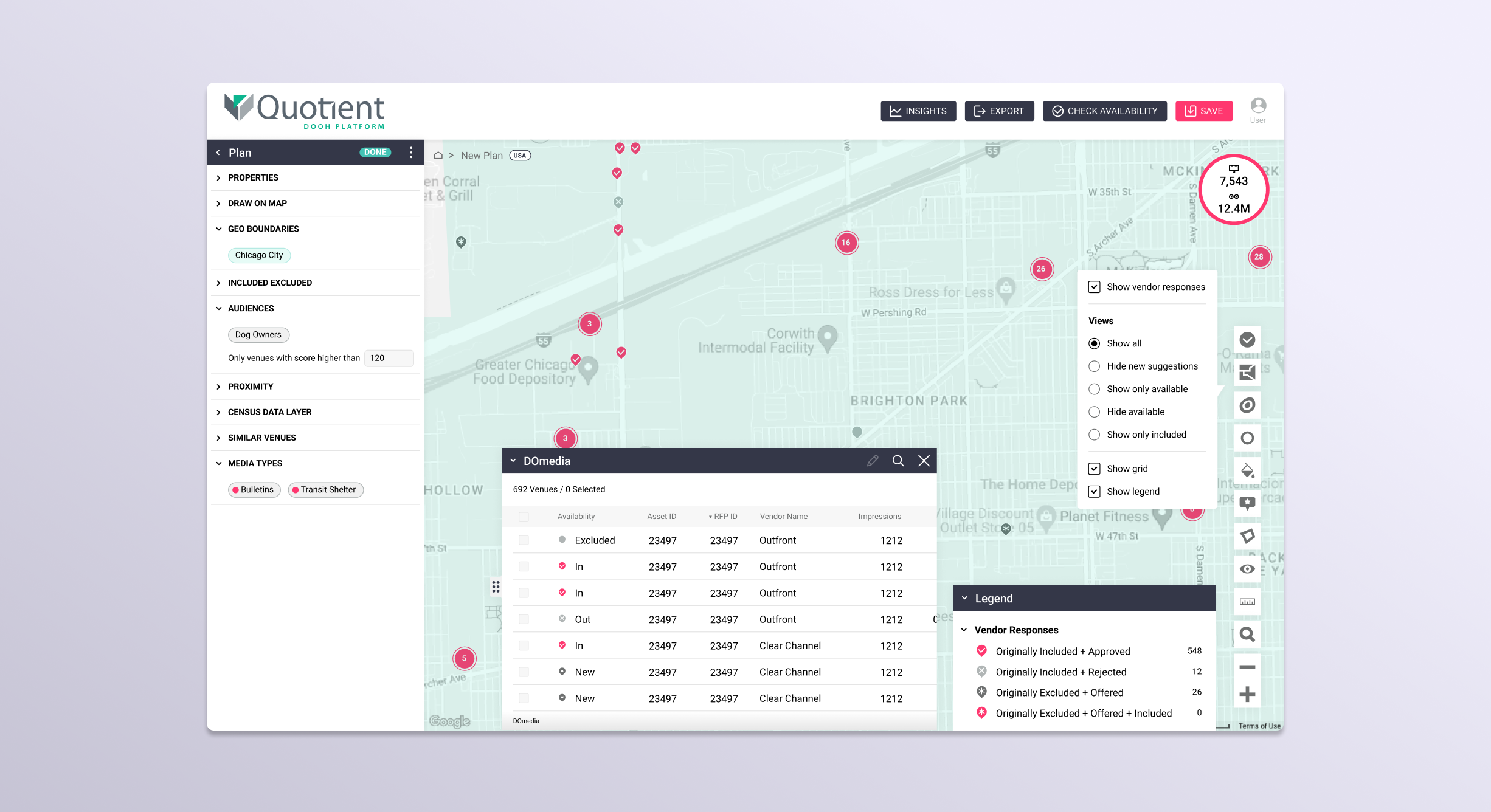
Transitioning between Polaris and the partner platform creates friction and extends the planning cycle, impacting productivity and increasing error risk.
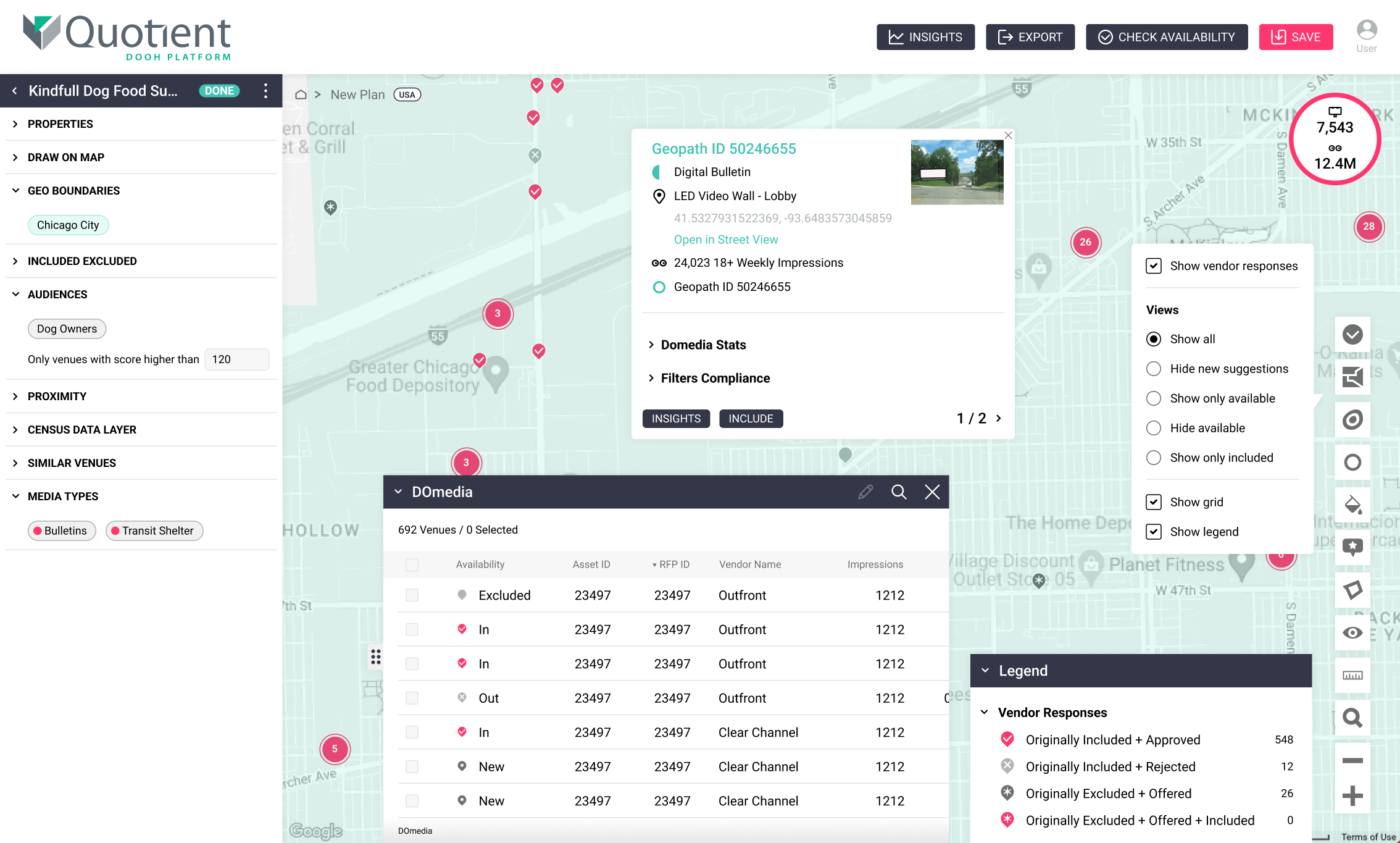
If a venue is not available, an alternative venue proposal is provided directly within our system.
planning cycle process of work time.
Integration between Polaris and an external partner platform is a feature that helps users plan campaigns in Polaris by minimize the back-and-forth between two systems and as the result shortening the planning time.
My role was to Develop the UI according to the methodology, create prototypes to showcase to the users, and provide all materials to the developers.
I collaborated with the project managers users and the developers.
What is Polaris?
Polaris is the industry’s first enterprise Location Intelligence platform. It helps explore customer journeys, improve location-based marketing strategies, and find the best venues for DOOH (digital out-of-home) campaigns based on the audience.
What is the partner platform?
This large marketplace for buying out-of-home media simplifies searching for media, building targeted campaigns, and contacting vendors locally and globally, with vendor profiles attracting local advertisers worldwide.
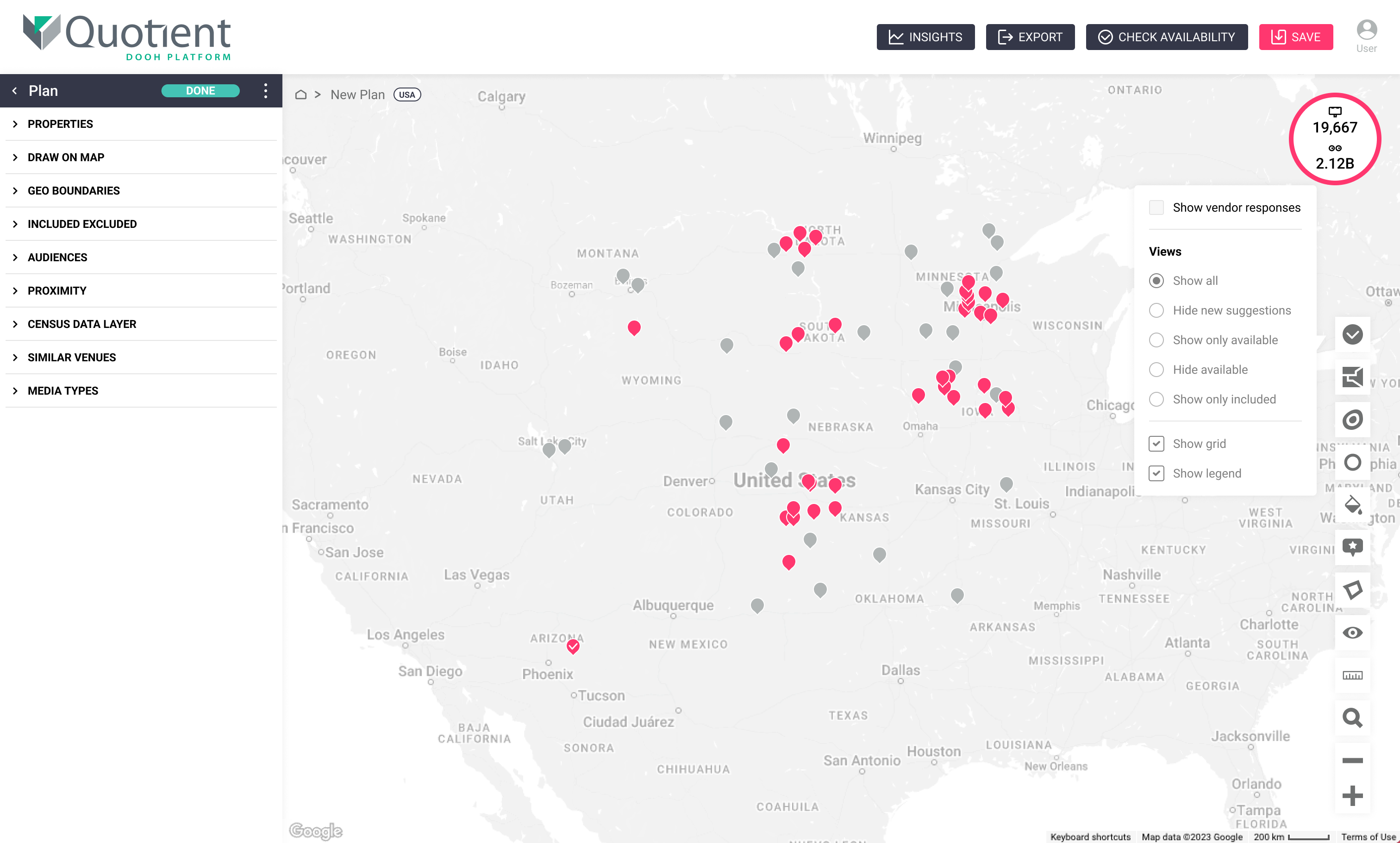
Based on information provided by the Product Manager, I conducted user research to understand how users interact with the platform while building a new campaign plan.
Start planning a campaign in Polaris
Choose campaign assets
Generate venues
Export the venue list (XLSX) to the third-party platform
Check venue availability
Buy venues
Work process
Users begin their campaign planning in Polaris by selecting various assets for their ad campaign, such as the target audience, geographical area, venue types, and other relevant details. Based on this information, Polaris generates a list of venues that are suitable for the campaign. Users then export these proposed venues to a third-party platform, where they check the availability of the venues. If some venues are not available, users return to Polaris to find alternative venues.
Polaris generates a list of venues
Export venues to a third-party platform
Check the availability of the venues
This process can involve multiple iterations as users refine their selections until they find the best available venues.
Transitioning between Polaris and the partner platform creates friction and extends the planning cycle, impacting productivity and increasing error risk.
Based on user feedback, our solution offers the ability to immediately view available venues sent to a third-party platform and get a response. If a venue is not available, an alternative venue proposal is provided directly within our system. This eliminates the need to repeatedly search for new venues and export them to a third-party platform for verification.
UX Research
After discussing the details with the product manager, I started working on the user flow.
I DIVIDED THE USER FLOW INTO THREE STEPS: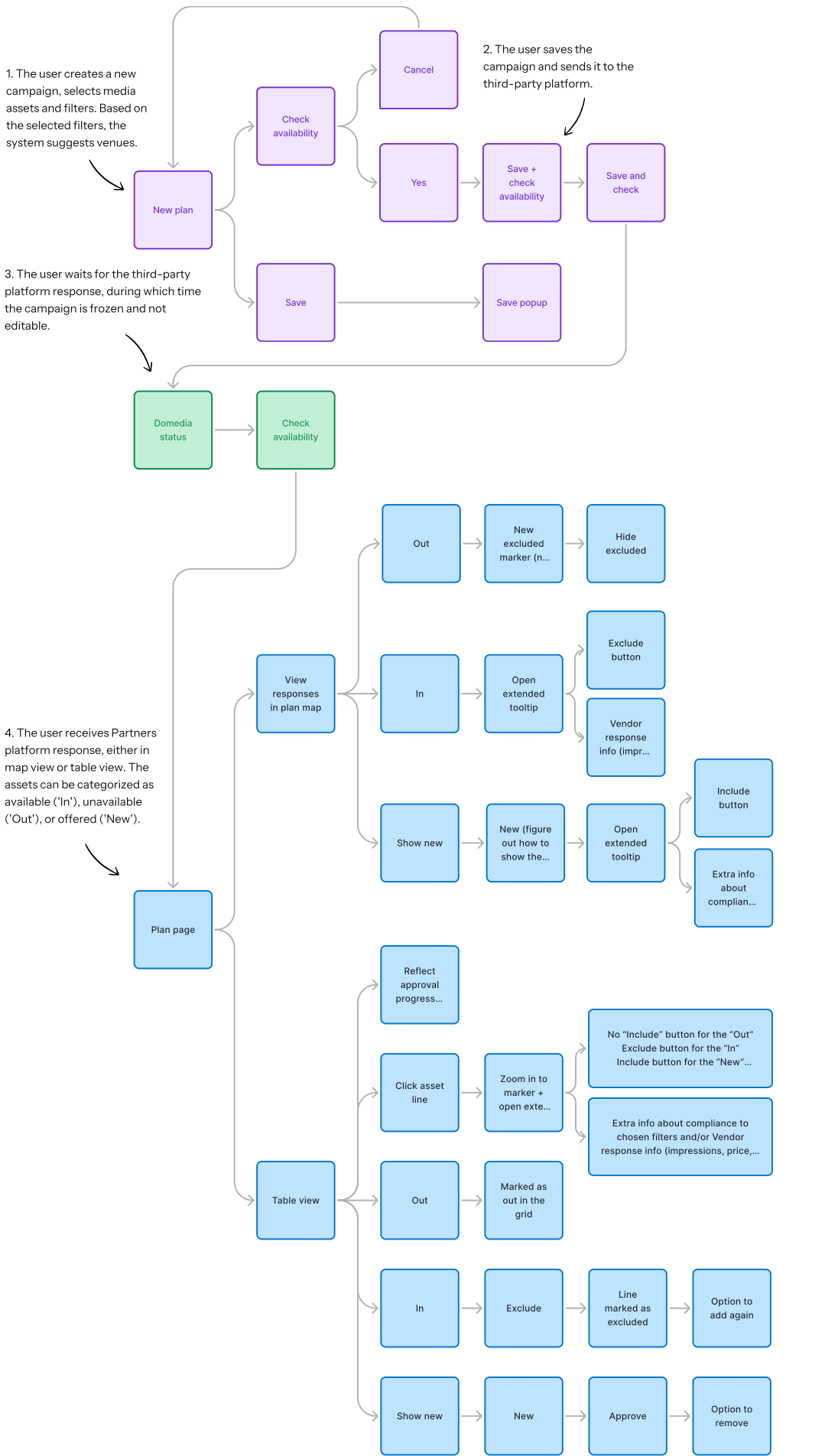
After the user flow was approved by the product manager, I began working on low-fidelity (LOFI) wireframes to visualize the concepts and provide a visual representation of the application’s layout and structure.
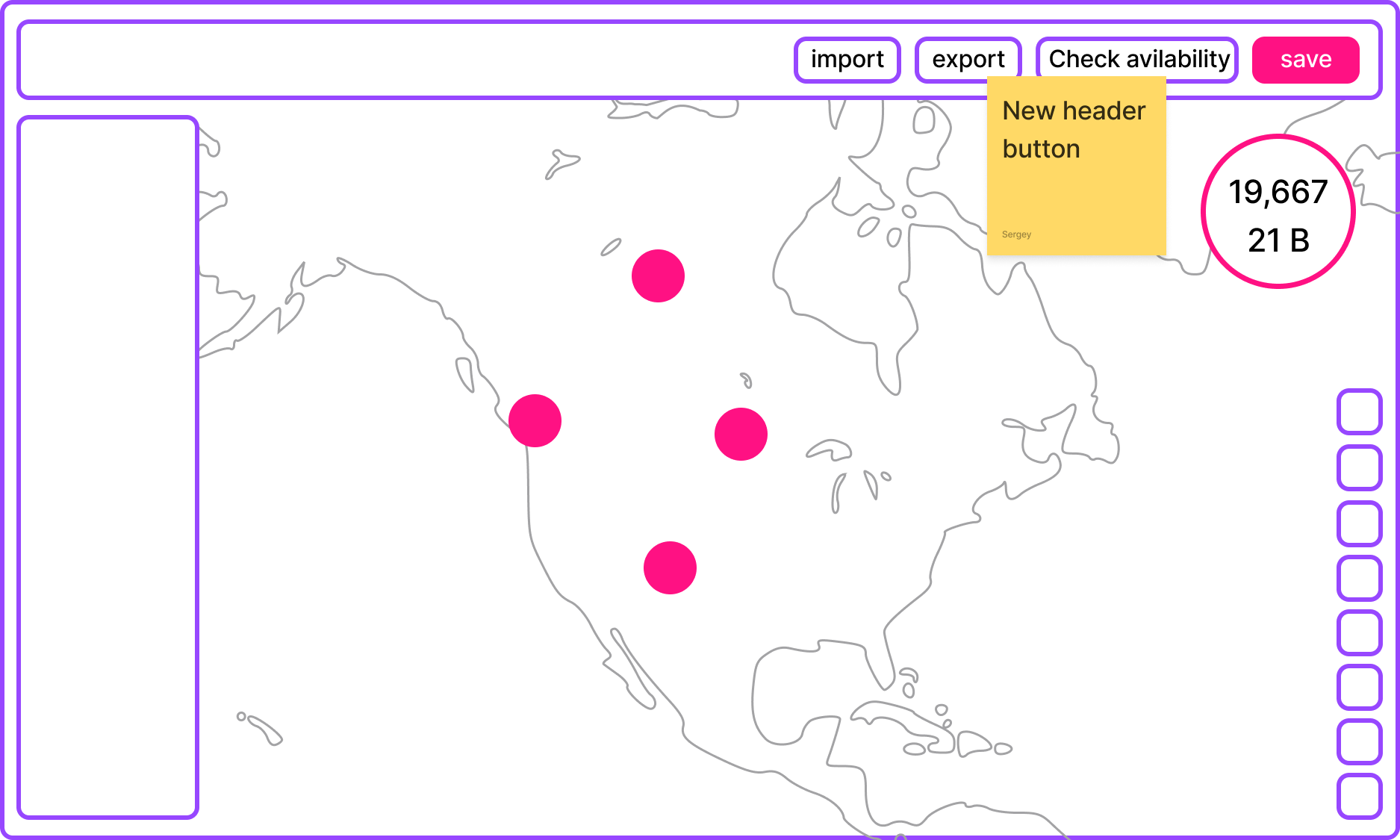
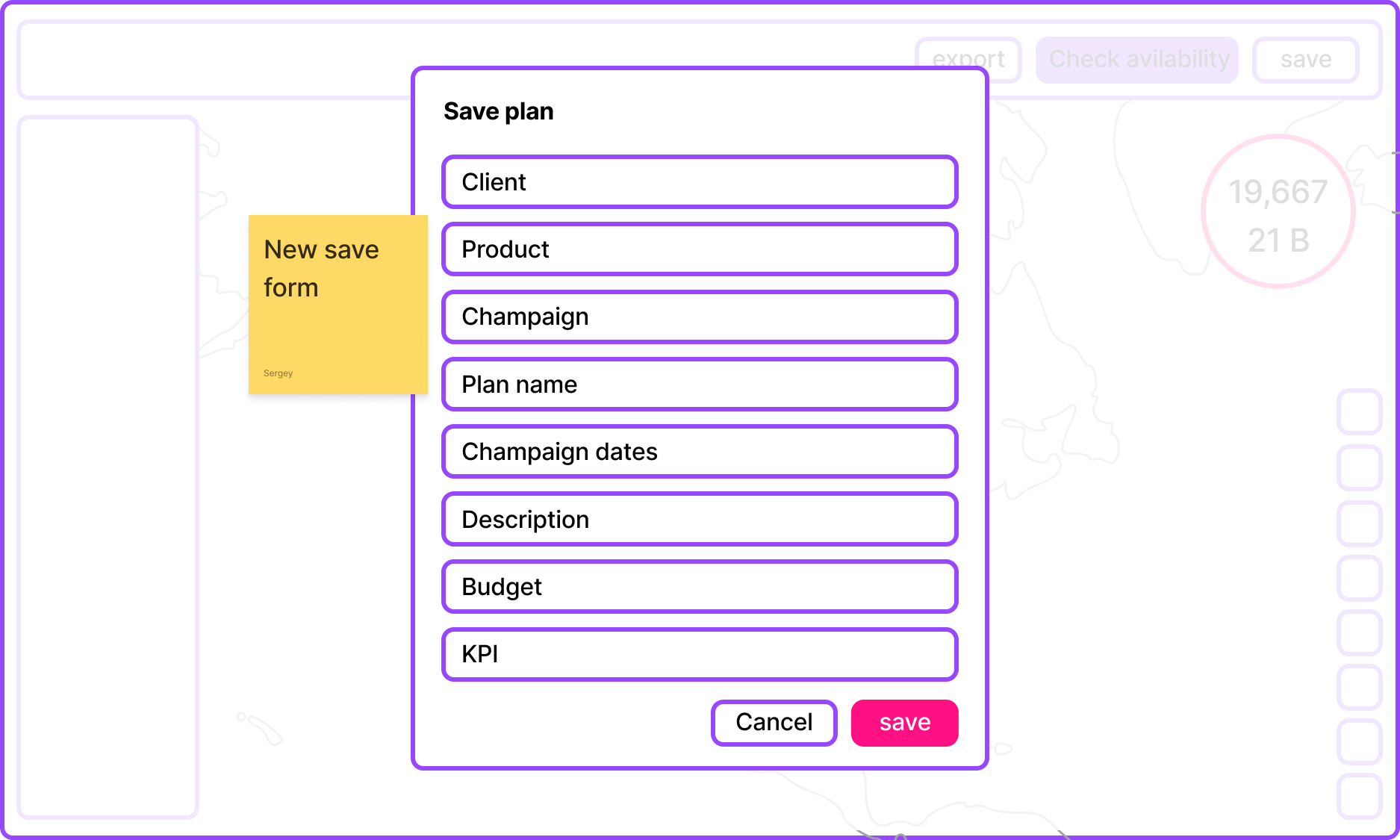
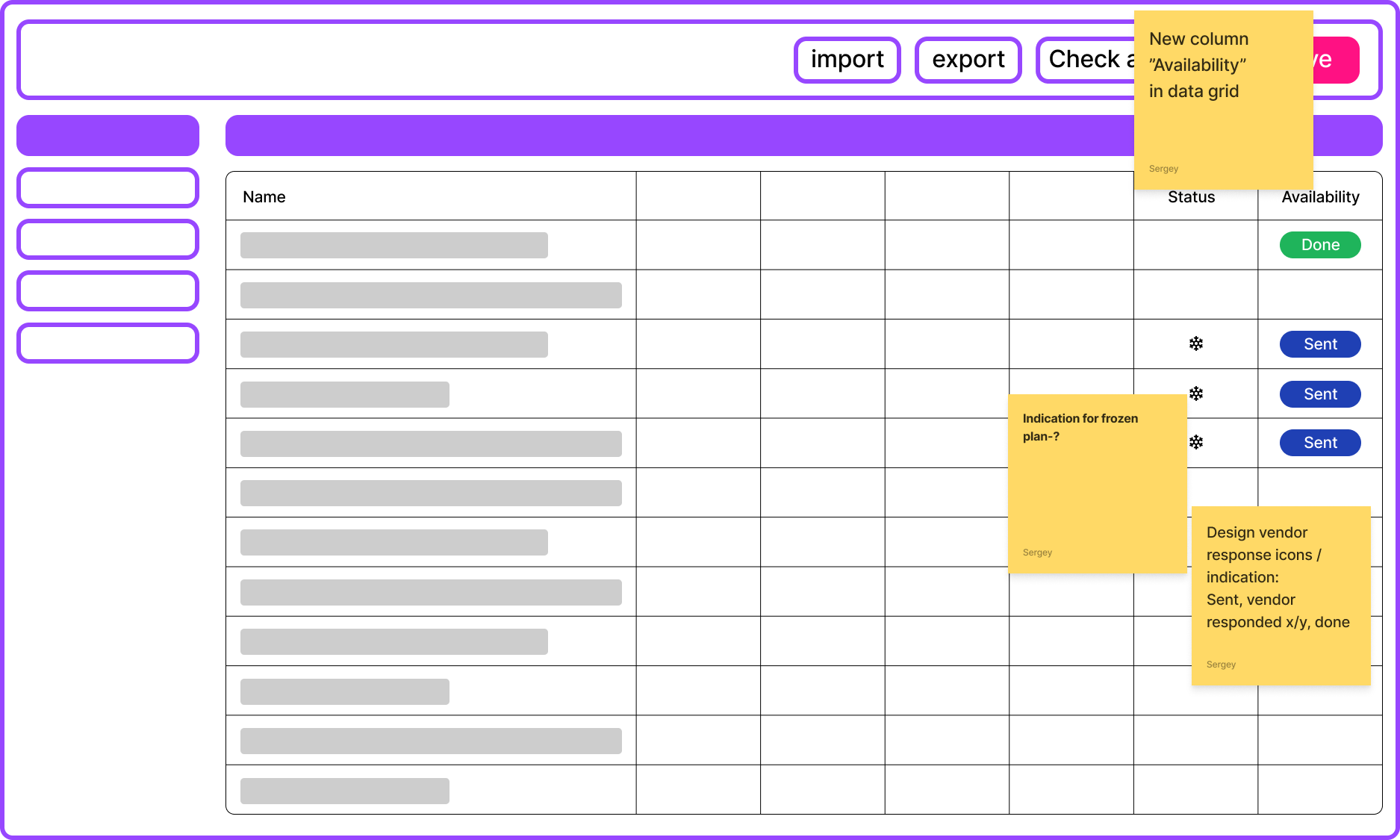
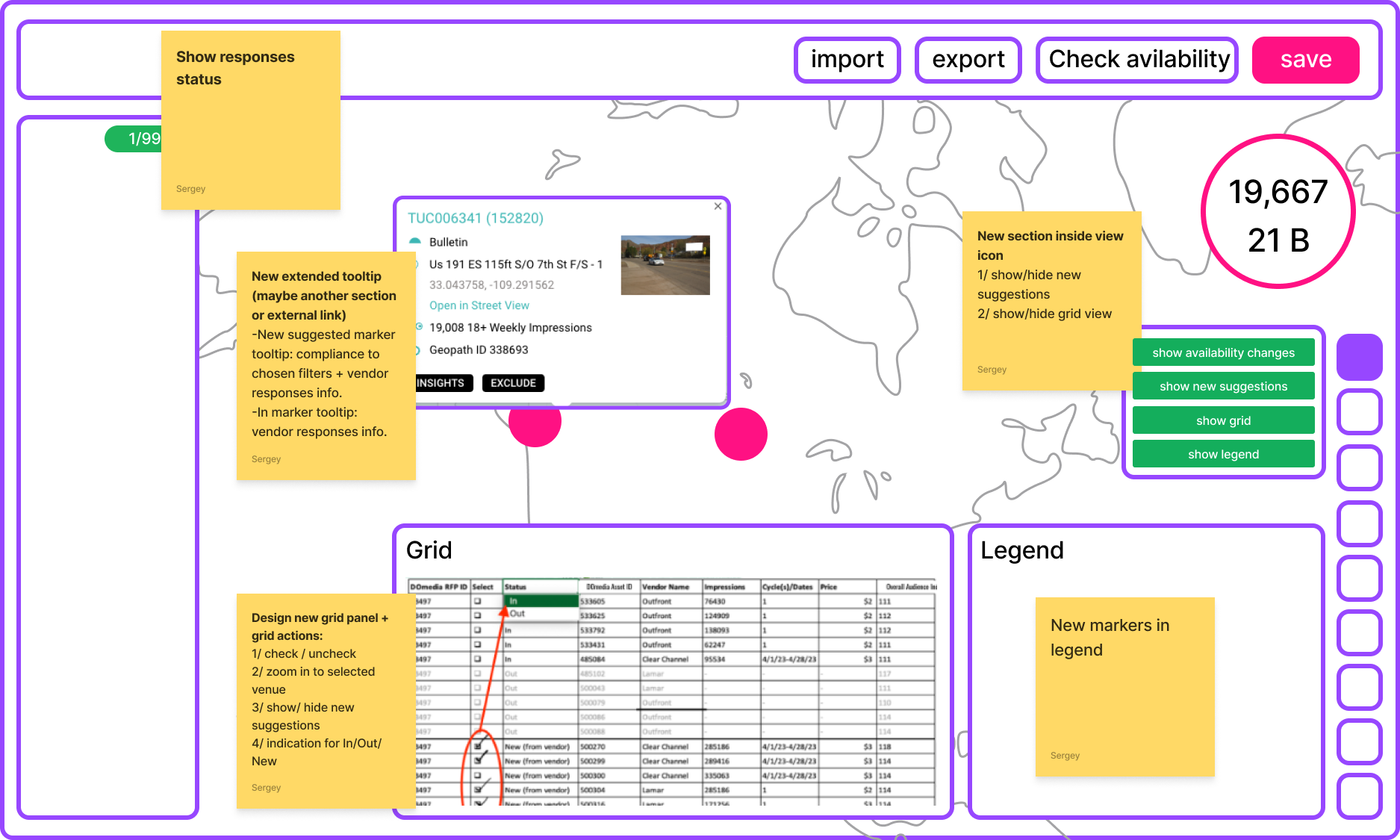
My next step was building all the components in Figma.
For the system, we added several new elements: a table where users can manage advertising spaces, new statuses for advertising spaces, a legend, and parameters for the tooltip.
It is important for me to maintain consistency with the elements already in the system, and every time I add something to the system, I check the existing components.
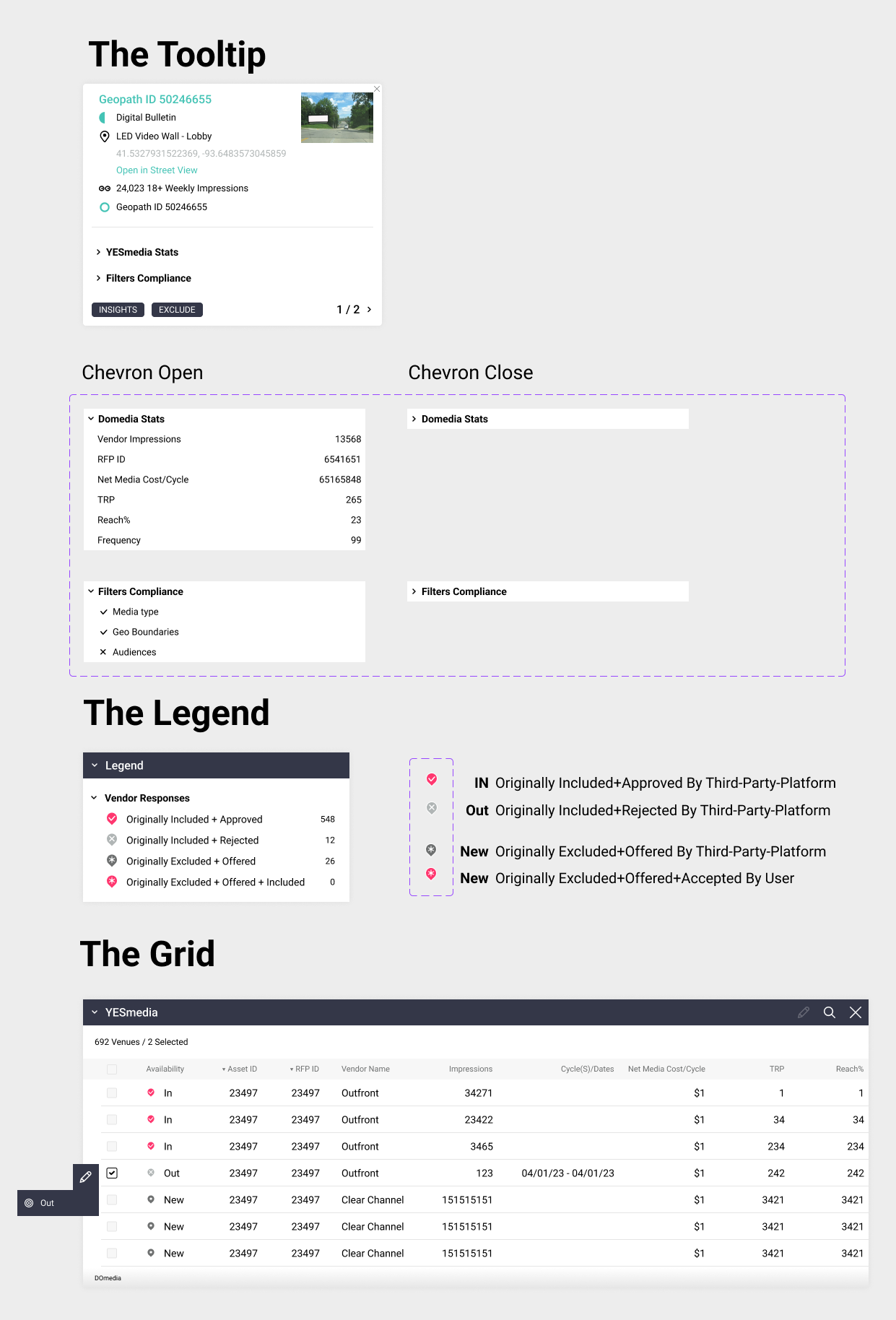
This prototype was showcased separately to both users and developers in dedicated meetings to ensure that we were on the right track.
Users were impressed by the result, although we did receive some feedback.
We then addressed the feedback and made necessary adjustments to the mockup.
Subsequently, we held a follow-up meeting with users to ensure that their concerns were addressed and that the final design met their needs and expectations.
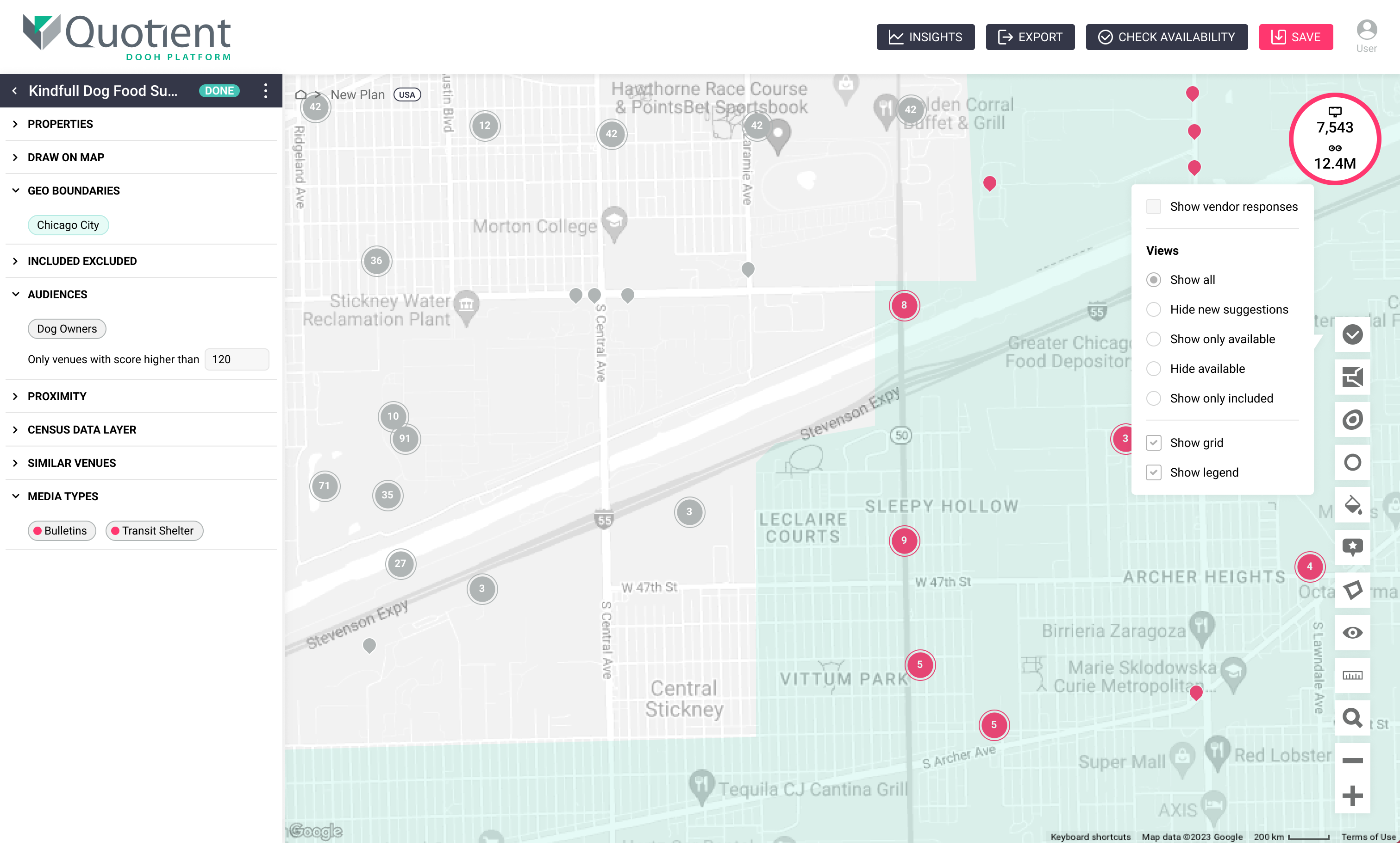
The planning cycle became 30% shorter.
The success of the integration between Polaris and the third-party platform had a significant impact on our team, decreasing the planning cycle process by 30% of work time. This integration streamlined our workflow, allowing us to be more efficient and effective in our planning and execution.
In conclusion, the integration between Polaris and Partners platform represents a significant enhancement in the campaign planning process, streamlining tasks and reducing planning time for users. By allowing users to seamlessly transition between Polaris and Partners platform, we facilitate efficient campaign planning while leveraging the strengths of each platform. Through careful UI development, prototyping, and collaboration with stakeholders, we successfully delivered a solution that impressed users and developers alike. Moving forward, ongoing feedback and refinement will ensure the continued effectiveness and usability of the integrated system.